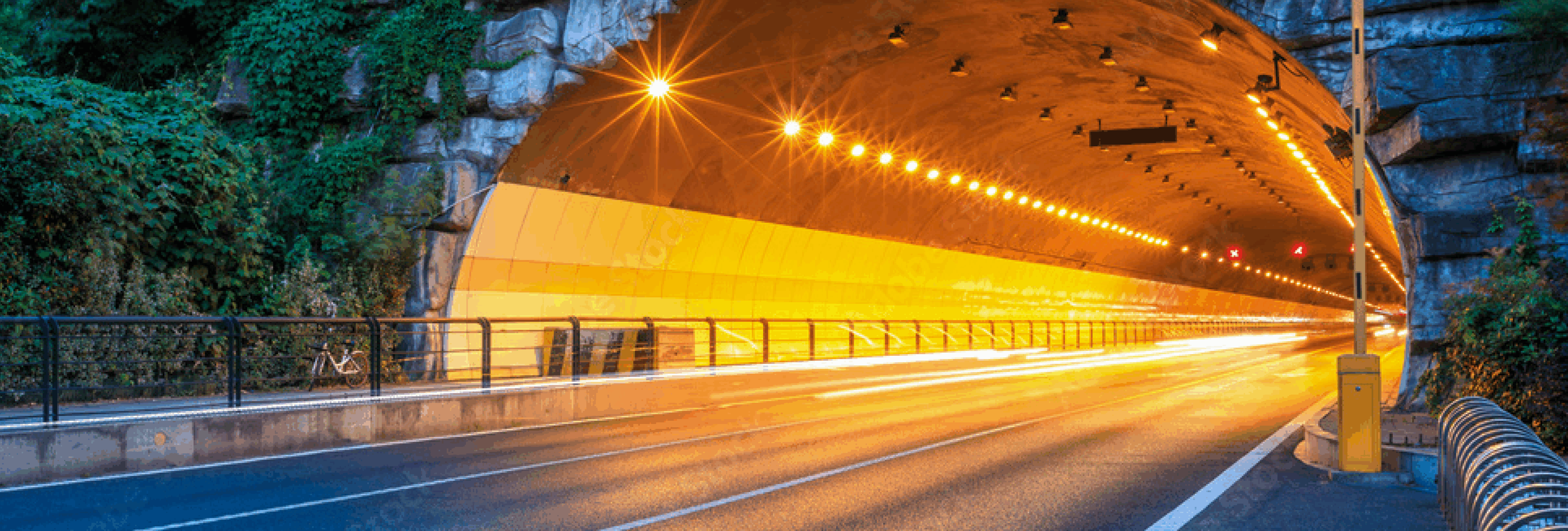
Tunnel
ApeSurvey for tunnel engineering — precise measurement data to ensure construction quality and safety, and optimize construction processes.
Tunnel Engineering
In modern tunnel engineering, precise measurements are key to ensuring construction quality and safety. As a professional surveying tool, ApeSurvey enhances measurement accuracy and optimizes construction processes, providing robust support for project management.
Application Scenarios
Tunnel Alignment Survey: Precisely measures the tunnel centerline to ensure consistency with the design alignment.
Tunnel Clearance Detection: Real-time monitoring of tunnel clearance to prevent safety hazards caused by over-height vehicles.
Catenary Network Survey: Accurately measures the position of the catenary network to ensure the stability of the train's power supply system.
Clearance Measurement: Automatically detects whether the tunnel cross-section meets the clearance requirements for train operations.
Running Tunnel Survey: Precisely measures the plan position and elevation of running tunnels to ensure smooth train operations.
Platform Survey: Accurately stakes the positions of structural elements, such as support columns and platforms, within metro stations across all floors.
Cross-Section Survey: Precisely measures tunnel cross-sections to calculate the actual water conveyance capacity.
Core Features
Tunnel Cross-Section Survey
Automatic Generation of Tunnel Cross-Section Diagrams: Quickly generates precise cross-section diagrams for various types of tunnels. Accurate Calculation of Overbreak and Underbreak: Assists in quality control and optimizes the construction process by providing detailed overbreak and underbreak data.
Data Collection and Processing
Support for Multiple Surveying Instruments: Accommodates different types of measurement needs for various tunnel types by integrating data from a range of surveying equipment. Automated Data Collection: Minimizes human errors and enhances work efficiency through automatic data gathering processes. Real-Time Data Processing and Quality Control: Ensures the reliability and accuracy of measurement data by continuously processing data and performing quality checks.
Visualization Graphics
Real-Time Comparison of Measured Data with Design Cross-Section Profiles: Provides a visual display of construction deviations by comparing actual measurements with design profiles.